
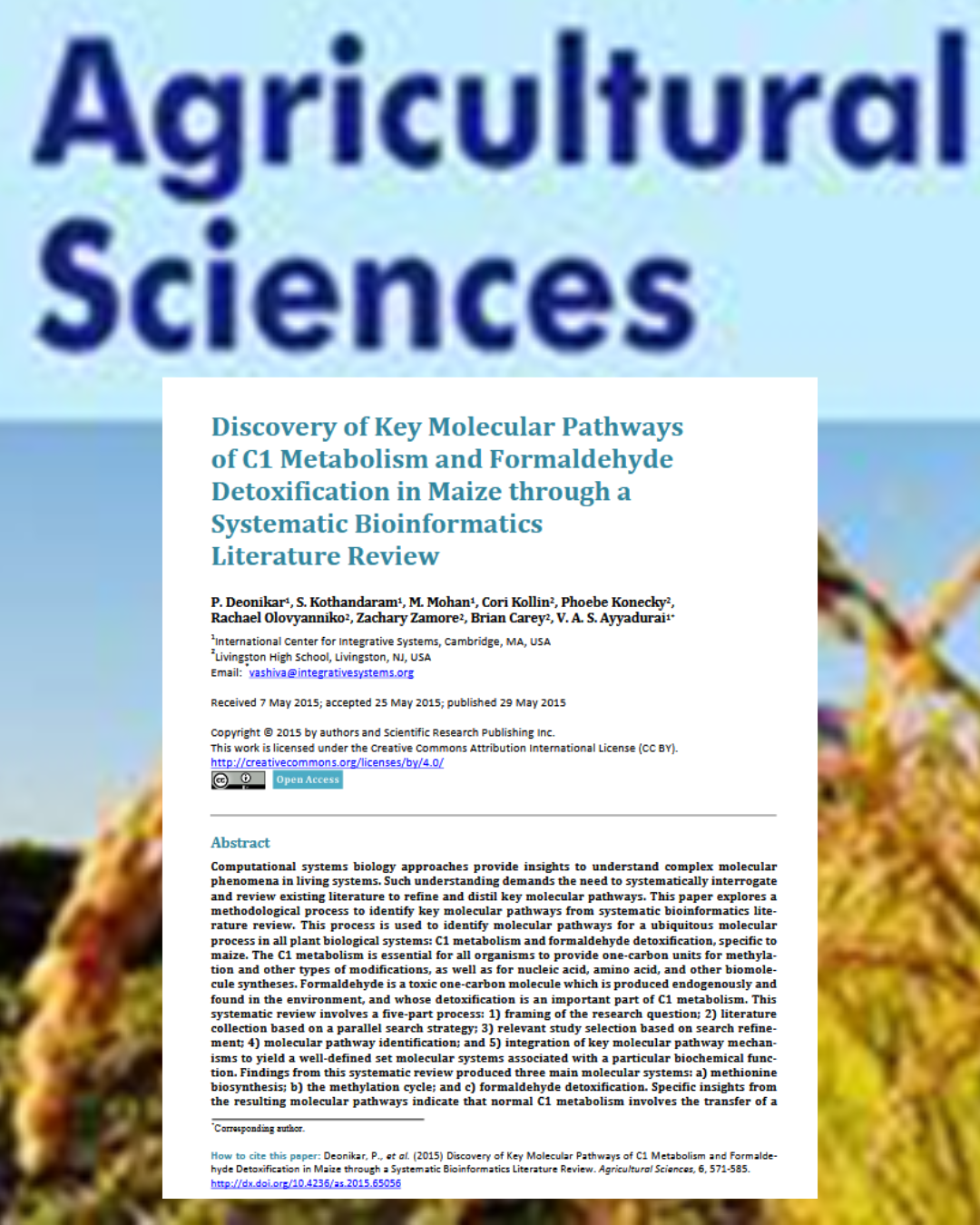
This paper provides a comprehensive systematic review of C1 (one-carbon) metabolism, an essential biochemical network that supports multiple core cellular functions including methyl group transfer, nucleotide synthesis, amino acid interconversions, and antioxidant production. Drawing from hundreds of experimental studies across biochemistry, molecular biology, nutrition science, and clinical research, the authors map the major enzymatic pathways — such as the folate cycle, methionine cycle, and related sulfur and glutathione pathways — and summarize key regulatory mechanisms and metabolite flows. The review emphasizes the centrality of C1 metabolism to cellular health and stress responses, describing how its components interact with major processes like DNA synthesis, epigenetic methylation, homocysteine balance, and redox regulation. It also highlights how perturbations to this system — whether by nutrient deficiencies (e.g., folate or B-vitamins), genetic polymorphisms, or oxidative challenges — can disrupt metabolic equilibria and are implicated in diverse physiological conditions.
Beyond cataloguing pathways, the paper critically evaluates the limitations of reductionist approaches that treat individual reactions or isolated enzymes independently. The authors argue that understanding C1 metabolism requires viewing it as an integrated network where changes in one segment (e.g., folate utilization) can reverberate through others (e.g., glutathione synthesis and antioxidant capacity). They synthesize evidence showing that shifts in key metabolites like S-adenosylmethionine, homocysteine, and glutathione are consistently associated with disease states ranging from cardiovascular dysfunction to cognitive decline, underscoring the clinical relevance of this biochemical system. The review concludes by advocating for systems-level methods — computational modeling, network analysis, and dynamic simulations — to capture the emergent properties of C1 metabolism that are obscured by narrow, pathway-centric studies, suggesting such integrative approaches could improve both scientific understanding and translational health research outcomes.
